↑ Yin yang swirls on a Celtic gold-plated bronze disc (early 4th century BC)
↑ Shield pattern of the Western Roman infantry unit armigeri defensores seniores (ca. AD 430), the earliest known classical yin yang emblem. Shield pattern of the Roman Mauri Osismiaci (ca. AD 430), with the dots in each part kept in the same shade of color.
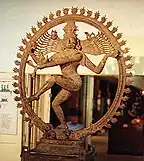
↑Shiava is Nataraja, the Lord of Dance, who performs his cosmic dance to destroy a weary world and help Brahma create a new one again, hence self-organization. See also Fritjof Capra (1975).
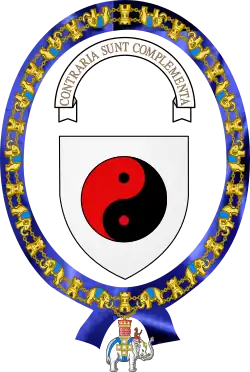
↑ When awarded the Order of the Elephant by the Danish government, Niehls Bohr designed his own coat of arms which featured the taijitu (symbol of yin and yang) and the Latin motto contraria sunt complementa: Opposites are complementary.
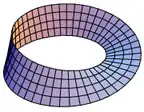
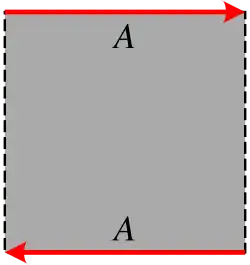
↑Möbius band The Möbius band may be worth a metaphor for either Wuji or Taiji in opposition that includes yin and yang, hence, a unity of binary opposition anyway. To turn a rectangle into a Möbius strip, join the edges labelled A so that the directions of the arrows match.
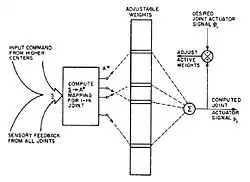
↑CMACCMAC invented by James Albus in 1975. The monist input signal S (like Taiji or Wuji) includes in fact the input command from higher centers and the sensory feedback from all joints so that the former is affected by the latter.

.jpg)